...
XStore theme eCommerce WordPress Themes XStore best wordpress themes WordPress WooCommerce Themes Premium WordPress Themes WooCommerce Themes WordPress Themes wordpress support forum Best WooCommerce Themes XStore WordPress Themes XStore Documentation eCommerce WordPress Themes
Phone Storage Solutions that Actually Work in Classrooms

Phone Storage Solutions that Actually Work in Classrooms

Facebook
Twitter
Pinterest
WhatsApp

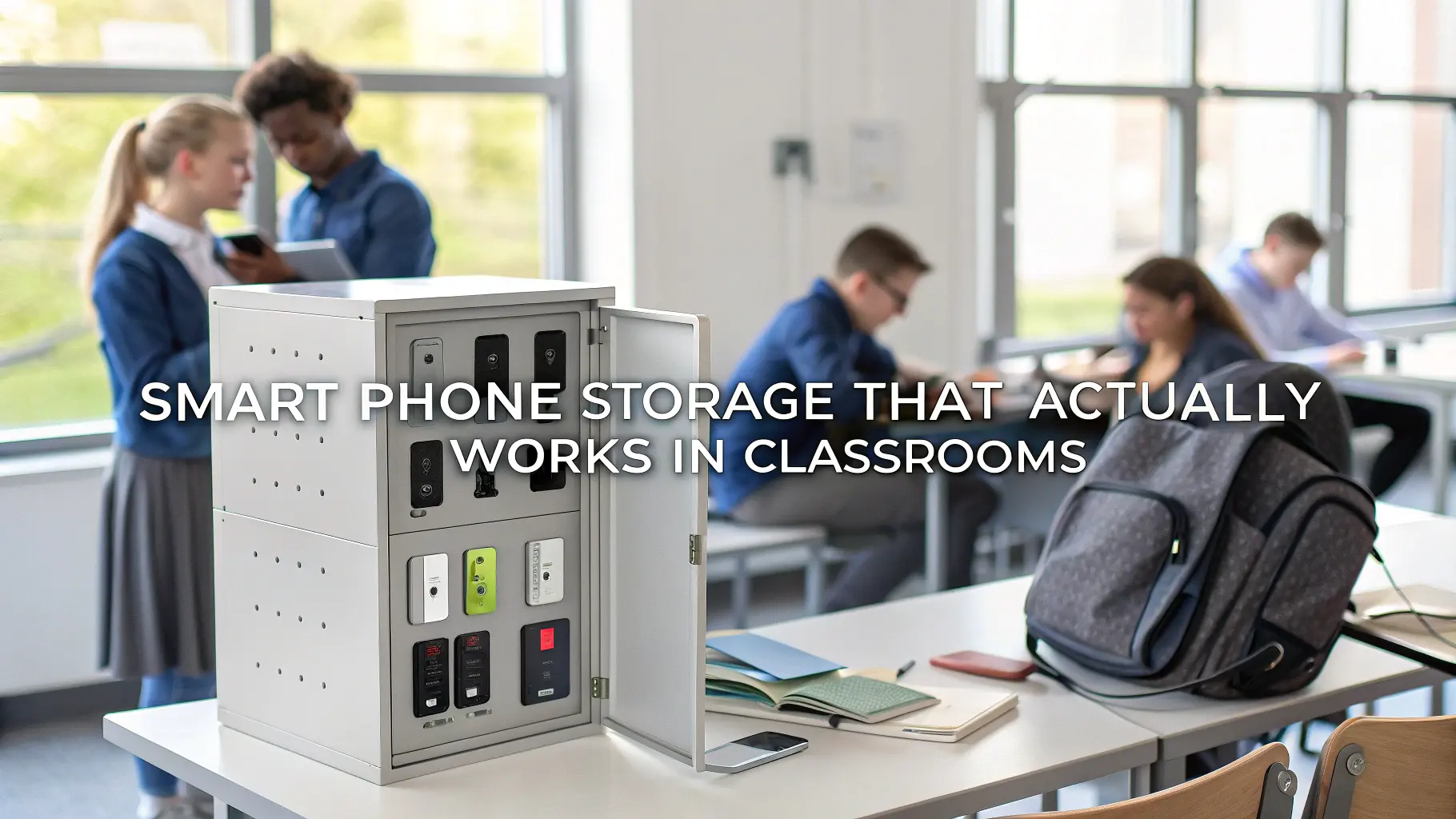
Managing personal devices in classrooms and offices has become a logistical challenge.  There is increased pressure on schools to provide a phone-free learning environment and maintain an effectively running school process. Offices require secure storage that allows access while preventing theft. There are many solutions, but few that guarantee performance under real operational conditions. Selecting a system without understanding practical realities wastes time, frustrates staff, and costs unnecessary expense.

What Kind of Storage Solution Is “Effective”

An ideal phone storage setup strikes a balance between four pillars: usability, security, speed, and scalability.

Ease of use is often underestimated. Checking in or retrieving a phone can become more of a headache for teachers or office staff the more complicated the process is. Error-proofing and preventing misplacement of devices occur through simplified labeling, numbered slots, and easy-to-follow layouts.

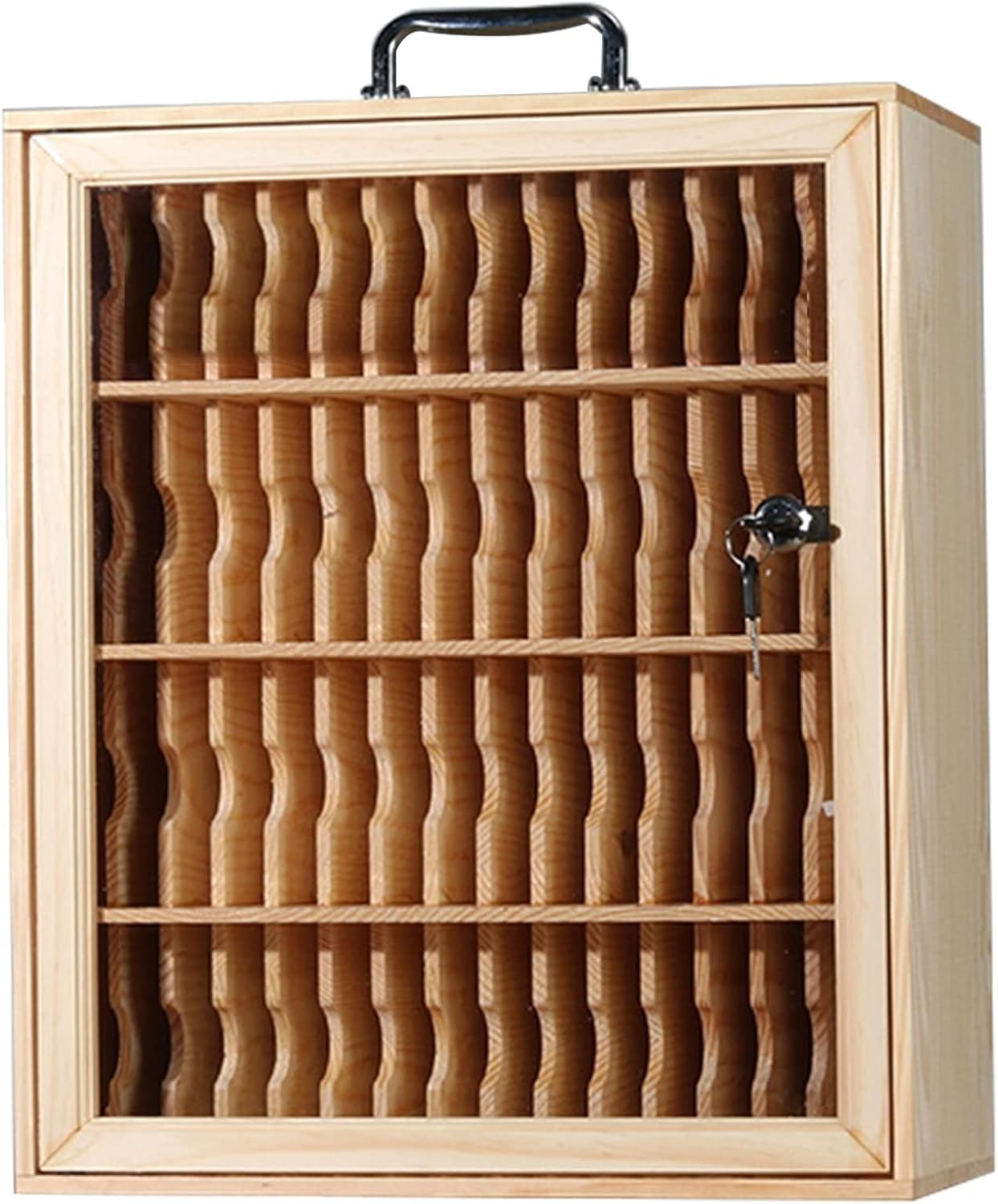
Security cannot be sacrificed. Poorly made, low-quality products last only until they fall apart. Heavy metal cabinets with industrial-grade locks, wall couches and heavy-duty acrylic boxes protect devices from theft and accidents.

Speed is essential in high-traffic environments. Systems that take longer than five minutes to gather phones from a class of 25–30 pupils disrupt the flow of lessons, teachers say. Systems that enable multiple devices to be dropped off or picked up at once do orders of magnitude better.

Scalability is crucial for classrooms that vary in size or use multiple device types. A cabinet which could hold 20 phones might work in a small classroom, but would be impractical in larger environments or if tablets were included. Modular expansion solutions make cost savings and limited replacement frequency possible.

Commonly Used Classroom Solutions

Open baskets are inexpensive and relatively easy to implement. Students just drop phones into bins labeled at the top. Baskets have limited security, but teachers appreciate it. It is easy to steal, lose, or mix up phones.

Pouches are typically hung on a wall or hook. Each student has a pouch numbered for that person’s use, which sometimes has a simple lock. They make individual accountability easier, but they impede the collection and distribution process. Some students forget to zip or secure pouches, leading to loss or damage, teachers say.

Lock boxes vary widely in quality and capacity. Single-device boxes work for very controlled atmospheres. Even multi-device boxes have numbered slots so multiple phones can be stored at the same time, and often include charging too. These are common in larger schools where efficiency and security come first.

Cabinets provide a classroom-wide solution. The vehicle features metal and laminated cabinets with lockable doors, providing high security and durability. They need more room, and typically a dedicated space. Cabinets that come with integrated charging ports combine security and convenience, but they can be pricey.

Real-World Performance Analysis

The theory of a storage solution is often different from classroom reality. When students roam without oversight due to immaturity, open baskets tend to succeed in controlled settings. Teachers say pouches work well for smaller classes, but cause traffic jams in big ones.

Lock box is a distinctly superior method. In one mid-sized public school, a 30-slot acrylic cell phone locker cut the time for morning collection from around 12 minutes to less than five. Teachers found that students were less likely to quarrel over mislaid devices.

Cabinets are dependable but excessive for some smaller classrooms. The challenge is often one of access. But mounting cell phone lock boxes on walls can eliminate clutter and reduce accidental knocks or spills. They also discourage theft since they’re visible and mounted securely.

Why Structured Lock Systems Perform Better

First, the advantages of structured lock systems (e.g., multi-device lock boxes, metal cabinets).

Security advantage comes from strong materials, reinforced locks, and fixed installations. Devices remain protected even in classrooms where students move frequently.

Behavioral impact is significant. Students learn that they are not using their phones in class when the devices are deposited into a clear, numbered locker. Fewer reminders and less classroom disruption, teachers report.

Reduced chaos is another benefit. Explicit labels and non-negotiable routines eliminate arguments, lost devices, and wasted time. Structured systems simplify responsibility.

Classroom Workflow Optimization

Optimizing device collection depends on entry and exit routines. A common workflow involves students placing devices into numbered slots upon entering the classroom. And label according to the seating charts. In large classes, splitting the storage box into two or three sections allows for multiple students to deposit phones at once, reducing collection time by half.

Exit routines are equally important. Teachers say that freeing phones in an orderly fashion, by row or group, avoids a bottleneck at the classroom door. Systems that allow batch retrieval, especially multi-device lock boxes, save precious minutes at the end of the day.

It frees up time because staff do not have to spend as much time looking for missing devices. In schools with a traditional pouch, teachers commonly waste 5–10 minutes per class retrieving misplaced phones. Structured lock systems can eliminate much of that wasted time.

Our most popular products based on sales.

Our products most often added to Wishlist's.

Our best-selling new and future releases.

Most popular products as Most Gifted Products.

Multi-Device Storage Needs

Many classrooms now need to store more than just phones. Students’ devices are often joined by tablets, e-readers, and charging cables. Lock boxes or cabinets that hold multiple devices and have adjustable dividers ensure that whatever protocol you have in place won’t be compromised by a lack of security.

The charging capability is becoming a more critical consideration. Most acrylic cell phone locker systems come with integrated USB ports that allow charging multiple devices simultaneously. And teachers love that students return for after-school programs or lab work with devices charged up.

Best Classroom Setup Styles And Different Layouts

 The right solution will vary depending on your class size, budget, and durability needs.

Smaller classrooms may find they only require basic acrylic boxes or individual pouches. Cheap solutions are sufficient in a highly supervised environment with low theft risk.

Large classrooms benefit from multi-device lock boxes or wall-mounted cell phone lockers. The initial cost is higher, but time savings and reduced device loss often justify the investment.

Budget vs durability considerations matter. Cheaper plastic units break easily. Metal or thick acrylic units that stand up to years of use and resist tampering. High-turnover schools report that inexpensive locks often break within one academic year.

Mistakes to Avoid

Complicated systems confuse the students and the staff. Systems that involve multiple keys, codes, or separate pouches often don’t work in practice.

Another mistake is weak materials. Cheap plastic or flimsy metal bends or breaks with normal use.

Poor accessibility slows workflow. You have bottlenecks and frustration for systems that require just one student at a time or poorly placed units.

Other errors include failing to account for device size variation and the lack of integrated charging requirements. Systems that fail to accommodate new devices quickly become dinosaurs.

Practical Buying Checklist

Estimated capacity: How many devices will need to be stored at peak usage?

Material: Metal or heavy acrylic for durability and protection.

Slot size: Must fit phones, tablets, or both

Locks: Key, combination, or electronic locking mechanism.

Wall-mount or freestanding: Think about classroom space and accessibility.

Charging: Built-in ports versus external chargers.

Workflow compatibility: Easy for multiple students to deposit and retrieve devices.

Future expansion for growing classes: Can extra units be added?

FAQs

How should phones be stored in classrooms?

Structured multi-device lock boxes deliver security, speed, and scalability far superior to open baskets and pouches.

Are phone pouches the best alternative to lock boxes?

Pouches work well in small, highly supervised classrooms, but slow down collection and retrieval in larger groups.

How can teachers collect phones quickly?

Putting items into clearly labeled, numbered slots, along with batch retrieval routines, reduces processing time by a factor of 20.

What solution is most effective in large classrooms?

Wall-mounted or freestanding multi-device lock boxes with built-in charging and expandable modular storage manage large numbers.

Are classroom distractions reduced with storage systems?

Yes. Because structure encourages rhythm and rules establish expectations, off-task behavior fizzles out, and use of devices fades away.

The right phone storage solution streamlines classroom organization and office processes. Realizing real-world performance, typical mistakes, and real design trade-offs helps to ensure that devices stay secure and make it easy for us to use them regularly. A well-chosen lock box system pays dividends in time saved, lost devices avoided, and daily stress diminished.